
Congratulations! Your Marketing Looks Like Everyone Else’s.

Pretty doesn’t mean effective
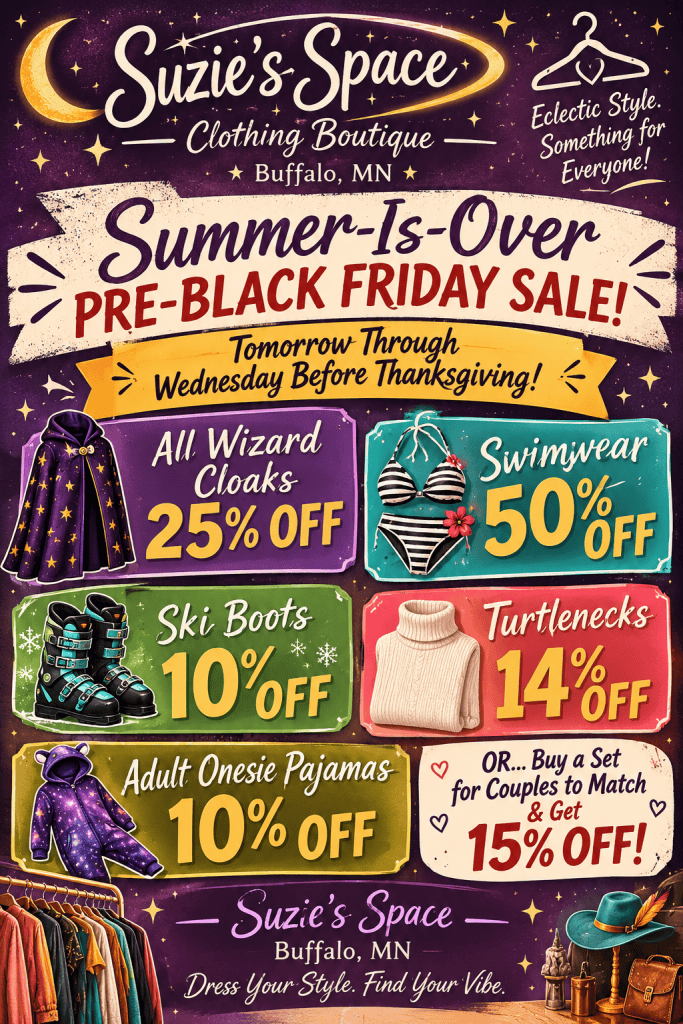
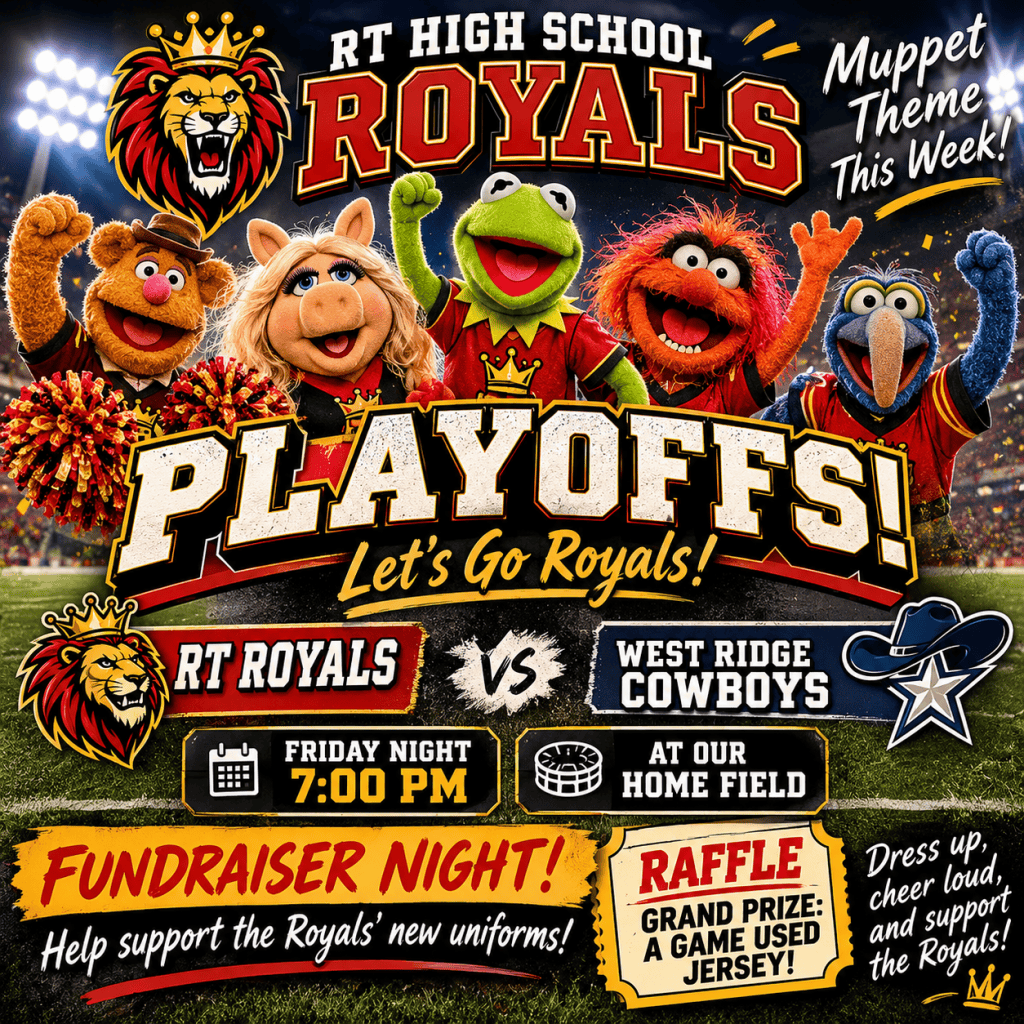
Sure, these graphics are eye-catching. But can you quickly find the information you actually need? Can you tell one business from another? And, more importantly, can you trust what’s on the page?
Because looking impressive and communicating effectively are two very different things.
Mistakes Were Made… (And they looked fantastic)

Beyond the visual overload, our little experiment revealed another problem: AI can make something look completely finished without making sure it’s actually correct.
Let’s review the evidence:
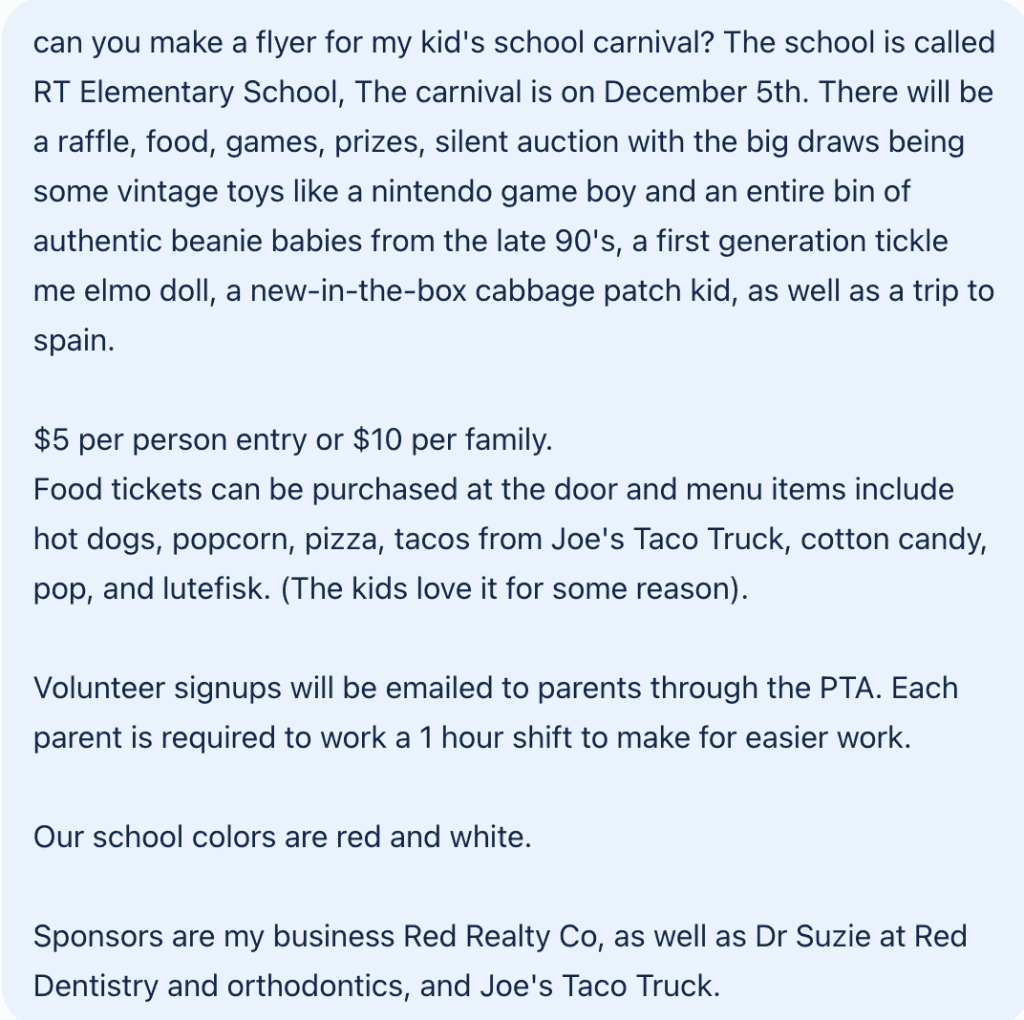
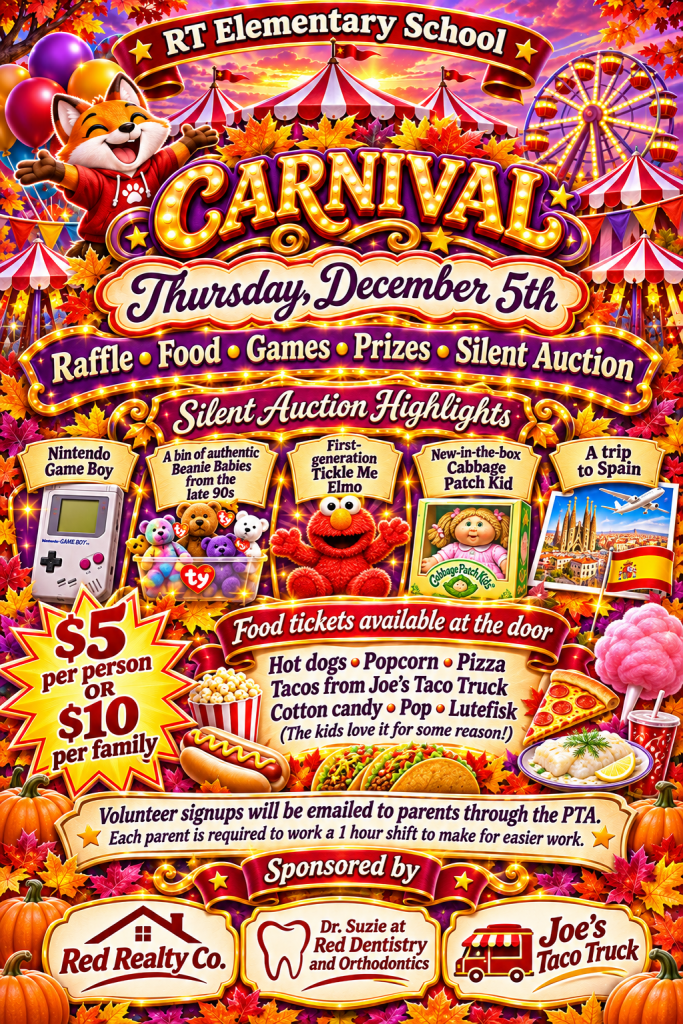
The school carnival: ChatGPT invented a weekday but left out the event time and location. It did, however, include “The kids love it for some reason!” from our prompt. Priorities. It also threw in copyrighted characters and imagery that could create legal headaches.
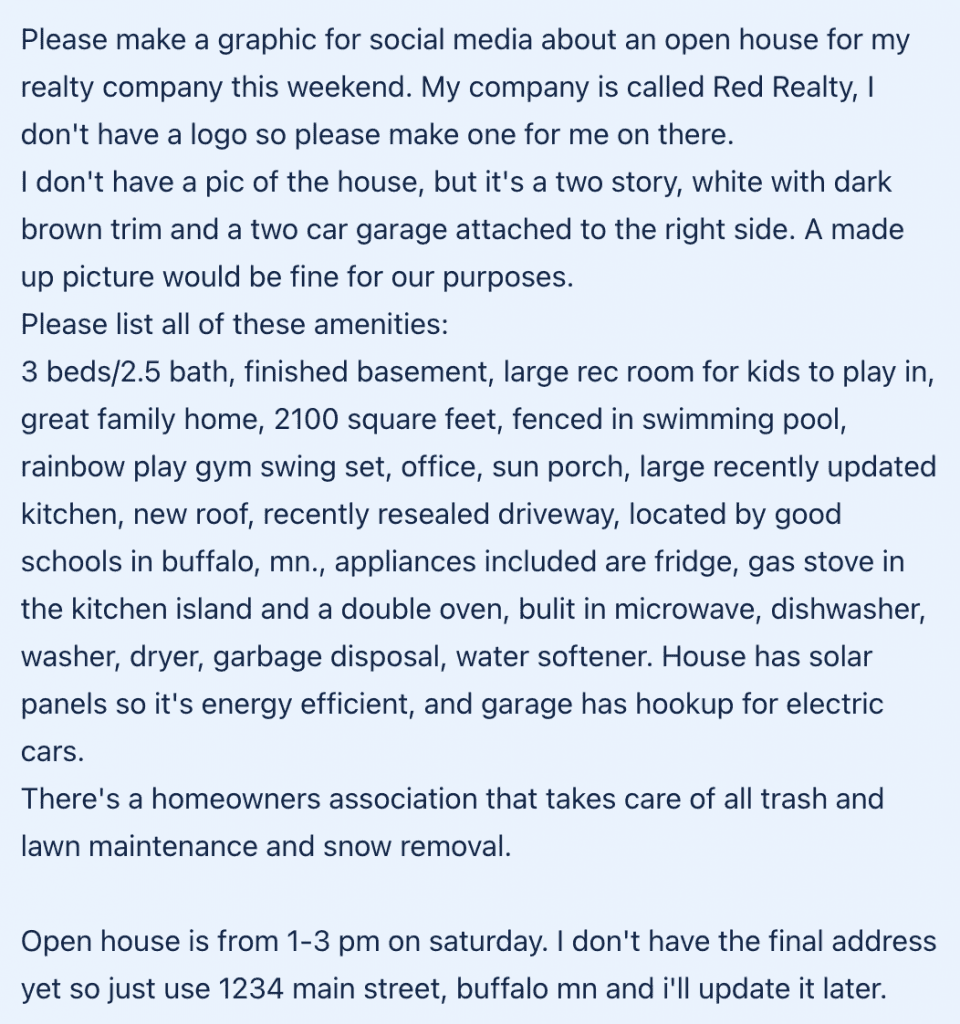
The open house: Featured a beautiful house that didn’t exist. We actually requested that, but that’s the point. AI will happily create something convincing, even if it doesn’t represent reality.
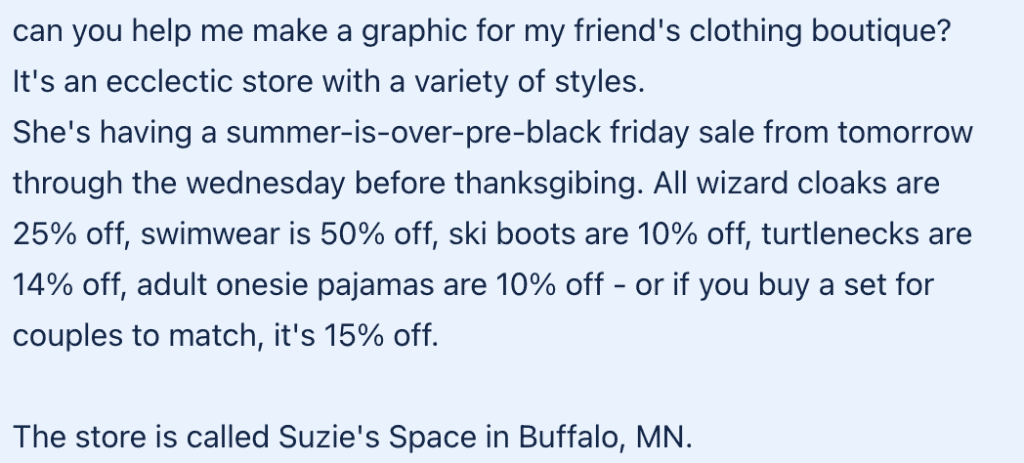
The boutique sale: Advertised a sale starting “tomorrow.” Tomorrow according to whom? And when?
The football game: Listed the location as “our home field.” Helpful if you already know where that is. Everyone else? Good luck.
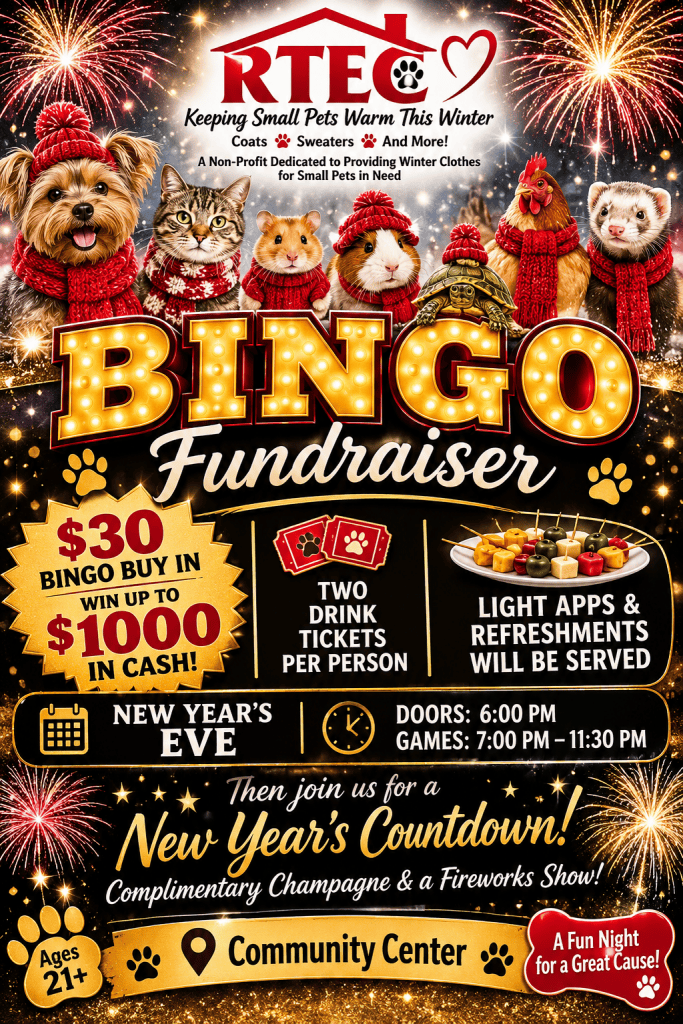
The bingo fundraiser: Even in a separate chat, ChatGPT gave us many of the same visual elements as the school carnival. Apparently, AI has a favorite party outfit.
And these aren’t just hypothetical problems.
We’ve seen an AI-generated promotion created by a client’s business partner that used the wrong logo, incorrect brand colors, and images that didn’t represent the client’s actual work.
We’ve even had our own AI mishap.
One of our Red Techs (who shall remain nameless) was volunteering on a graphic for their child’s school sporting event and used ChatGPT to make a quick image adjustment.
ChatGPT decided to help by changing the school’s name on the jerseys.
Confidently. Creatively. Incorrectly.
And yes, that graphic made it onto social media before someone noticed. (Oops.)
Use the tool. Bring the judgment.
Here’s the thing: a graphic can look fantastic and still be terrible marketing.
If people can’t find the important information, the design isn’t doing its job. If the images don’t represent your business, you’re creating the wrong expectations. And if your marketing looks like every other AI-generated flyer in someone’s feed, what makes your business memorable?
We’re not anti-AI. Heck, we use it ourselves! It’s great for brainstorming, exploring concepts, and speeding up creative work. But someone still needs to shape the message, check the details, and make sure the final product actually represents the business.
For a busy parent volunteering to make a school flyer, a simple AI-generated design with accurate information might be exactly what they need. For a business trying to build recognition and trust, there’s a little more at stake.
Before you hit publish, ask yourself: Is it clear? Is it accurate? Does it look like our brand? Or could I swap in another company’s name without anybody noticing?
At Red Technologies, we help businesses create marketing that looks like them, communicates clearly, and gives people something worth remembering.
And we promise to keep the random seventh fingers to a minimum. (Unless that’s your thing.)
Give us a shout. We’ll help your business stand out in a sea of slop.